
Go-to-market consulting that ends in a system you own.
Most go-to-market strategy consulting ends at the recommendation. Ours ends with a working system in your stack. We name what caps revenue, price it, build what removes it, then run it until the number moves.









ICP to signal to pipeline, as one system.
Every channel carries one point of view. Every interaction feeds one scoring queue. That queue is what sales works from. Most go-to-market motions never build it.
Swipe to see the whole system
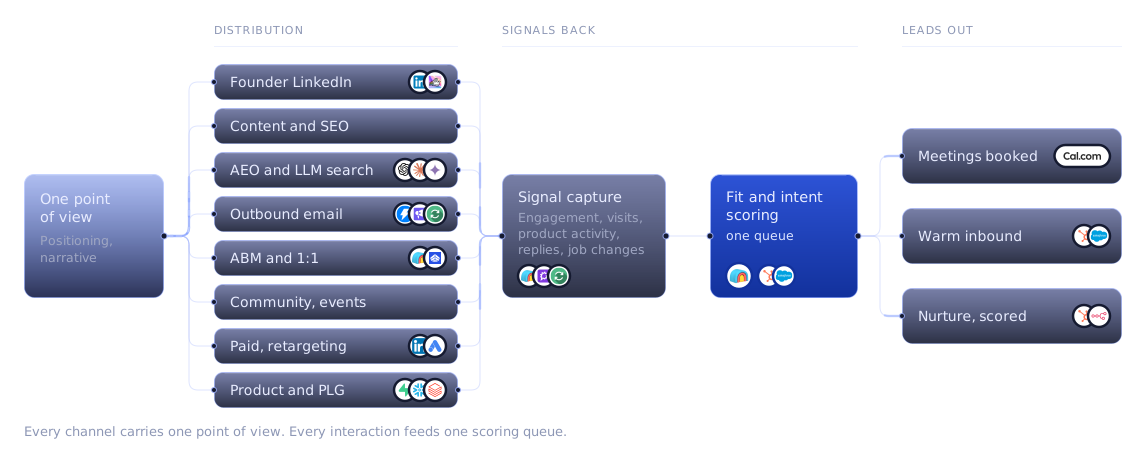
Distribution is the visible half. The signal layer underneath decides whether it compounds.
Go-to-market motions fail in the same three places.
We find where the motion loses money before we build anything. It is usually all three of these at once.
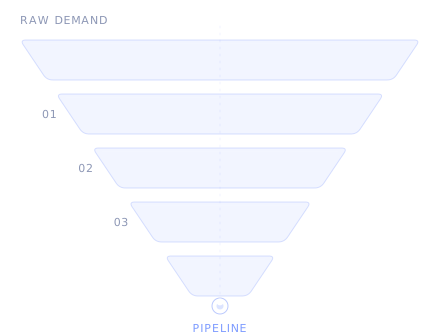
- 01 · Strategy leak
A strategy nobody operationalised
The thesis lives in a deck. Nothing in the CRM enforces it.
- 02 · Signal leak
Channels firing without a shared signal
Spend leaves faster than pipeline returns, with no shared scoring.
- 03 · Systems leak
Tools bought, systems never built
Clay, the CRM and the sequencer sit half-wired. Data decays every month.
Each leak compounds. Most of it is spent before it reaches sales.
What go to market consulting should actually leave behind.
Three things get sold under the same words. A strategy consultancy sells an opinion. A go to market agency sells activity. We sell a result that outlives the engagement. Knowing which one you are buying is most of the decision.
Where go-to-market strategy consulting stops, and what should follow it
The disciplines that make GTM operations run.
The go-to-market operations underneath the strategy. Assembled against your constraint, not sold as a package. Most engagements use three or four. The audit decides which.

- 01Account universeData resolved once, keyed on domain
GateICP from won/lost and dedupe rules signed off before a single credit is spent.
- 02Waterfall enrichmentEnriched once, every contact verified
GateTest on 10 rows first. Only ‘safe to send’ emails count as reachable.
- 03Signal captureEvery signal dated, so it can decay
- 04Fit and timing scoringSignals scored with a reason
GateEvery row gets a tier and a written reason before it reaches a rep.
- 05Weekly queueA Monday queue per owner, with SLAs
GateA human keeps the decision. Weights reviewed each quarter against what closed.
Accounts resolved, scored and routed. No leaks.
- Results looped back every week
- Each quarter, every deal teaches the targeting

- 01Baseline firstA baseline before the build
GateNothing launches without a baseline and one definition per metric.
- 02One point of viewPillars from won/lost and recorded calls
- 03Produce once, publish everywhereSite + LinkedIn + search + AI answers
GateNothing ships without a human review and a source for every claim.
- 04Amplify and capturePaid behind proven posts, intent into the CRM
- 05Score, route and readEnrich and route on arrival
GateFit + engagement above threshold → sales; below → nurture.
Pipeline by pillar and channel, read against the baseline
- Weekly read: double down or cut
- Results feed the next point of view

- 01Trigger firesA dated event, not a list
- 02Enrich and qualifyICP check + CRM check
GateICP fit, not in an open deal, contact verified → continue.
- 03Write from the evidenceThe trigger is the reason to reach out
GateA human approves templates and samples outputs before volume goes up.
- 04Fire the sequencePlays by tier: email, LinkedIn, call
- 05Booked into the CRMIn the system of record, with the trail
GateReply sentiment routes the lead.
Every meeting carries the trigger and the conversation that earned it
- No reply re-enters on a new trigger
- Trigger, messages and reply stay on the record

- 01Tier on evidenceReverse ICP from won/lost
GateEvery Tier 1 account needs written evidence, not just a logo.
- 02Map the committeeRoles, named people, gaps
GateThe account owner confirms or corrects the map after the next live call.
- 03Warm the accountsAds + founder content to the committee
- 04Plays fire on signalsSignal × tier → play
GateTier decides the play; a human approves every Tier 1 asset.
- 05Account-level reviewEngagement → meetings → pipeline
GateMonthly re-tier: promote, hold or demote.
Multi-threaded deals in the accounts that matter
- Monthly re-tier: promote, hold or demote
- Gaps found on calls go back to the map

- 01Object modelOne ID per customer, one definition per metric
GateOne definition per metric signed off by sales, marketing and finance.
- 02Stages and exit criteriaLifecycle stages, each with exit criteria
GateA record can’t advance without meeting its exit criteria.
- 03Routing and ownershipRouting with SLAs and a named owner
GateSLA breached → reassign and alert. No match → catch-all queue, never unowned.
- 04Lifecycle automationRecords move themselves
GateEvery automation has a named owner and an error queue.
- 05Reporting that reconcilesFunnel, attribution, forecast
GateNumbers reconcile across systems before leadership reads them.
One data layer, one definition per metric.
- Error queue: fix at source
- Every automation has an owner

- 01Mine won and lost dealsCalls, CRM reasons, buyer interviews
GateDon’t conclude until the same themes repeat across several deals in a segment.
- 02Positioning from evidenceAlternatives → capabilities → value → fit → category
GateEvery claim traces to a deal or a quote.
- 03Category narrativeOne point of view, told one way
GateLeadership sign-off on one version.
- 04Committee mappingOne narrative, five angles
GateField test: does it hold up on live calls?
- 05Launch and field-testLive on the site, in sales and on LinkedIn
GateQuarterly refresh decision.
Positioning from evidence, used by every role
- Quarterly: new won/lost evidence
- What fails on calls gets refined

- 01Voice and point of viewFrom the founder and the customer
- 02Content systemIdea → draft → review → approved → scheduled
GateFounder approval on every post: a human keeps the decision.
- 03Publish and engageNative posts, daily engagement
- 04Capture inbound signalsEngagers, commenters, DMs → CRM
GateICP fit and not already in an open deal → convert. Otherwise → stays in the audience.
- 05Convert and measureWarm DM → meeting → pipeline
GatePositive reply → book; no reply → back to the audience.
Founder content that turns into meetings on purpose
- Double down on what books meetings
- Non-ICP engagers stay in the audience
Systems you own, not slides you file.
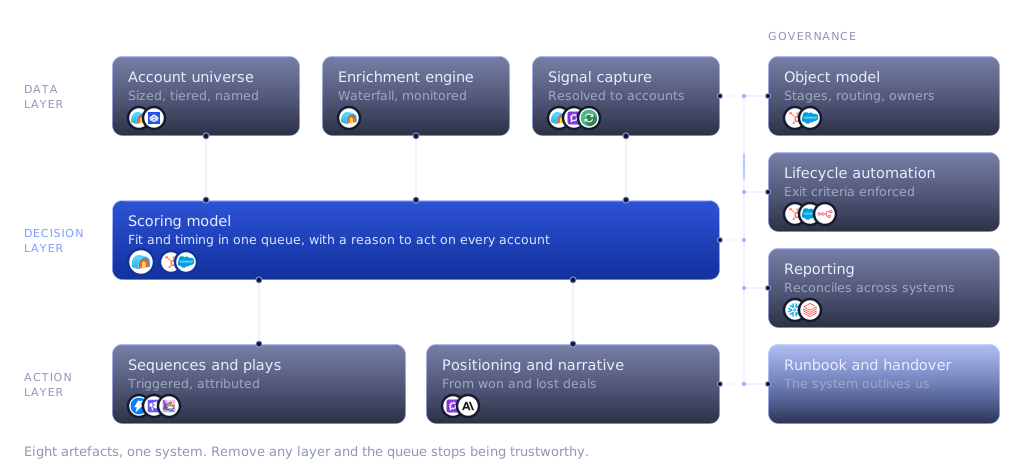
Every engagement leaves a documented, transferable operation behind. If we walk away, the motion keeps running. The artefacts, named.
Swipe to see the whole system
 Data layer
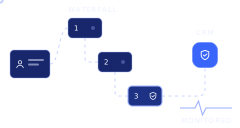
Account universe
Sized, tiered and named. Fit logic written down and enforced in the CRM.
 Data layer
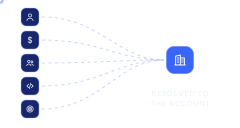
Enrichment engine
Waterfall enrichment in Clay, wired to the CRM and monitored. Not a standalone workspace.
 Data layer
Signal capture
Job changes, funding, hiring, product usage and intent, resolved back to accounts.
 Decision layer
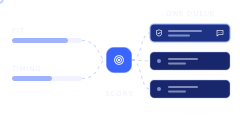
Scoring model
Fit and timing in one queue, with a reason to act on every account.
 Action layer
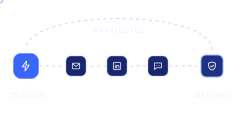
Sequences and plays
Triggered campaigns in your sequencer, attributed to the accounts that produced meetings.
 Action layer
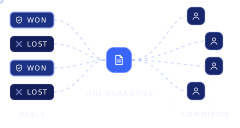
Positioning and narrative
Taken from won and lost deals. Committee mapping, messaging tested against it.
 Governance
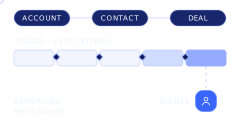
Object model and lifecycle
Stages, exit criteria, routing and ownership. Reporting that reconciles.
 Governance
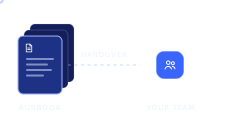
Runbook and handover
Every system documented, so the motion keeps running when the engagement ends.
Eight artefacts, one system. Remove any layer and the queue stops being trustworthy.
Diagnose, build, run, maintain.
A go-to-market consultant stops after the first box. The engagement is the other three, and the engineers who build the system stay on to operate and maintain it.
- Week 0Weeks 0–3
The readiness audit. Evidence read, hypotheses tested, findings priced, roadmap sequenced by return. Three weeks, fixed fee, yours to keep.
Findings priced, yours to keep - Week 3Scoped to the outcome
The systems the constraint needs, engineered in your environment on your platforms. Documented as they go. Yours from the first commit.
- End of quarterAgainst the baseline
We operate what was built to an agreed service level, improving it against the baseline. One written check-in a week.
- OngoingRun by the experts
The engineers who built it keep it running: monitored, maintained and improved against the baseline as your market moves.
Engineers stay on - OutcomeA system that keeps running
Built inside your stack, operated and maintained by the engineers who built it.
Senior operators, not a GTM consultant on a retainer.
No account manager. No handover to a delivery pod you have not met. The people who scope the work do the work. That is the difference between hiring a go to market consultant and hiring a team.
- 01GTM engineersAccount universe, enrichment, signals and scoring, with the evidence trail. Clay, n8n and the CRM.
- 02RevOps engineersObject model, exit criteria, routing, and reporting that reconciles across systems.
- 03Demand and growthPositioning from won and lost deals. ABM. Campaigns instrumented before they launch.
- 04Forward-deployed engineersNamed engineers in your environment. Documented, so the system outlives the engagement.
The person who owns the number.
Different seats arrive with different symptoms. The constraint underneath is usually the same one.
Swipe to see the whole diagram
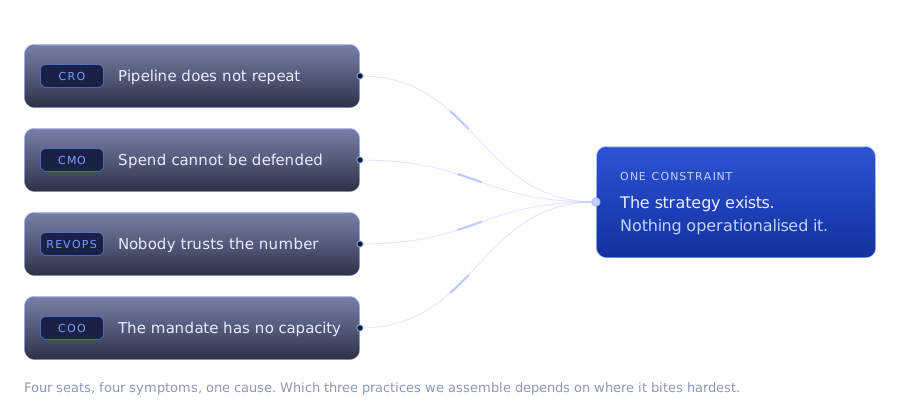
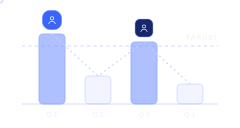 CRO
Pipeline does not repeat
Sellers were hired. The motion did not transfer. Coverage depends on individuals and on a good quarter.
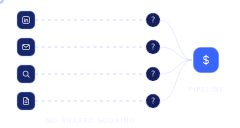 CMO
Spend cannot be defended
Channels run in parallel with no shared scoring. Nobody can name the one that produced the pipeline.
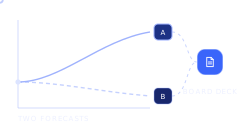 RevOps
Nobody trusts the number
Two teams, two forecasts, one board deck. Both defensible on their own definitions.
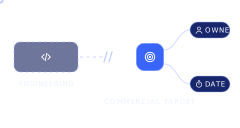 COO
The mandate has no capacity
A commercial target with an owner and a date, and no engineering pointed at it.
Four seats, four symptoms, one cause. Which three practices we assemble depends on where it bites hardest.
Growth systems is half of it.
The same senior team runs both. Most engagements start in one and grow into the other. The constraint usually shows up on both sides.
Growth systems
Go-to-market consulting and the GTM operations underneath it. Pipeline, demand, positioning and revenue operations, built inside your stack.
- GTM engineering
- Demand generation
- Automated outbound
- ABM
- RevOps and lifecycle
- Product marketing
- LinkedIn personal branding
Applied AI
AI transformation that reaches production. Agents with evaluation gates, workflow automation, and the forward-deployed engineers who get them live.
- Forward-deployed engineers
- AI agents
- Workflow automation
- Knowledge systems
- Enablement
- AI strategy
Go-to-market consulting, answered plainly.
If your question is not here, ask it directly. Thirty minutes is usually enough.
Is this go-to-market consulting, or is it a build?
Are you a go-to-market agency, or a GTM agency?
Do we have to take all seven practices?
GTM consulting, GTM strategy and GTM operations: what is the difference?
Can you work as a go-to-market consultant rather than an embedded team?
How deep is your Clay expertise?
Which companies is this built for?
How long before pipeline moves?
Where is your go-to-market stuck?
Three weeks. Fixed fee. The findings are yours whatever you do next. If a readiness audit is not worth your time, we say so.